
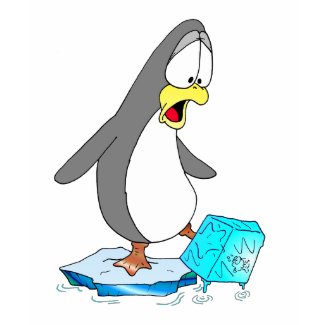
People who commit to something and then back out are referred to as “getting cold feet”. Although it can refer to any commitment where there is timidity or fearfulness causing backtracking, it is a popular slang term for people chickening out of marriage commitment. What has the temperature of your feet got anything to do with backing out of a commitment?
There are several theories regarding the origin of cold feet as a phrase, but the most likely theory in my opinion is that it arose from the idea of having no money for shoes, making your feet cold. Confused? Let me explain:
There is an old Italian saying dating all the way back to a 1605 text of Ben Jonson’s play Volpone, and this saying is: “To have cold on one’s feet”, which in the context of this play meant “to have no money”. The link between cold feet and having no money is that people were sometimes so poor that they couldn’t afford shoes. Alternatively they were “broke” and only had broken shoes which didn’t keep their feet very well-insulated from the cold.
What has lack of money got to do with commitments? A German novel gives us a clue. In 1862, a novel described gambling card players who got “cold feet” when they ran out of money and backed out of the game. It is thought by some etymologists that it is this association of poverty-stricken people withdrawing from monetary commitments such as in gambling, which lead to the birth of the phrase “cold feet” as we use it today for backing out of any commitment, not just monetary ones.
- -
There is a second theory which suggests that soldiers used to complain of cold feet as a means of getting out of fighting. This explanation seems less plausible to me, unless soldiers used it as a joking expression of their desire not to fight. I can’t imagine any superior officer accepting such a weak reason to send a soldier back to the barracks, and I’m not sure I can imagine many officers using such a poor excuse! Surely they would have come up with better reasons, such as a sprained ankle or something!
- -
Related Articles
See other articles in the Etymology category including:
- Cold Shoulder: Why do we say that we give the “Cold Shoulder” to someone?
- Gobbledygook: Why do we say something is gobbledygook?
- Honeymoon: Why do we call it a honeymoon?
Related Products





Note:
This site is working in affiliation with Amazon.com (for USA visitors) and Zazzle . If you like a product that was recommended anywhere on this website, please consider buying these products via the links on this site, to help keep this website running. Thanks 




I need to say thank you such a lot of for the work you have made in writing this post. I am hoping the same top job by you in the future as well.
You know how to write a really interesting post. Thanks!
i believe with all my heart and soul that the term originates from astrology. people born under the sun sign aquarius or having other strong aquarian/uranian influence in their birthchart have a physical commonality of having cold feet. the song ‘popcycle toes’ is most likely about an aquarius. aquarians are known for being very non commital and difficult to nail down to an appointment, although they are very reliable for showing up on time… if you can get them to commit. aquarians marry the most often or the least often of all the signs.
I realise this is a very old thread but just in case someone else finds as I did I have another theory. An actual cold feet condition that many adults suffer from is called Raynaud’s Syndrome and a well known trigger for this is anxiety. I quite certain that many a good man or woman and even solders have suffered from anxiety.